Energy demand
Establish how much power the operation needs, when it needs it, and how that may change with growth.
Usage patterns · Seasonal peaks · Critical loadsPlan for systems that must endure.
We support decisions where technical performance, capital, operating risk, regulation, and long time horizons intersect.
Infrastructure planning
Understand the demand, compare the options, and establish what needs to be known before the next commitment.
Establish how much power the operation needs, when it needs it, and how that may change with growth.
Usage patterns · Seasonal peaks · Critical loadsCompare available space, access, grid connection, and operating requirements before narrowing the options.
Land and roofs · Connection limits · Site conditionsDefine the information and decisions needed at each stage, so investment follows a clear evaluation.
Dependencies · Assumptions · Decision pointsIllustrative project scenario
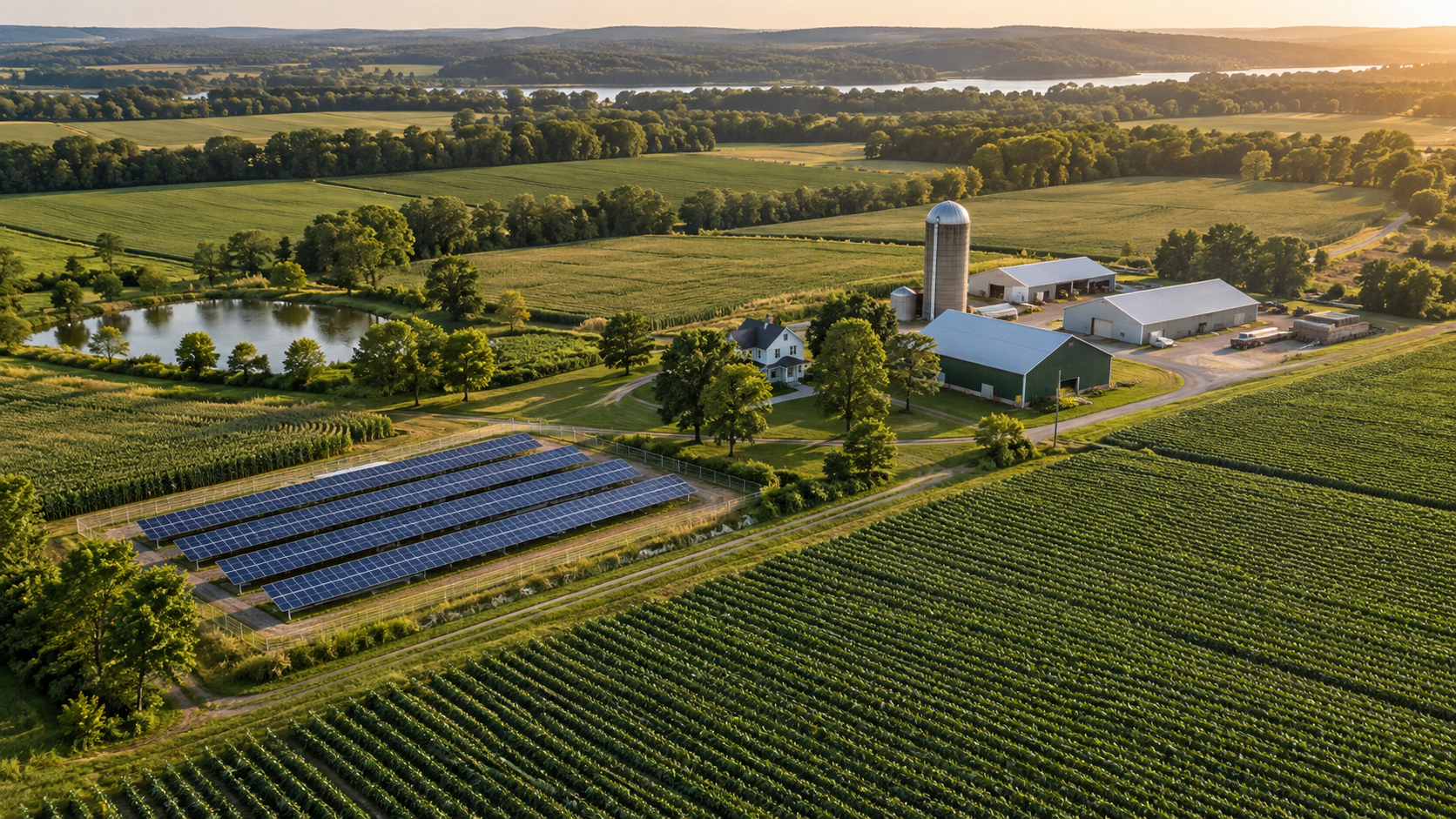
How should a farm evaluate solar generation and battery storage as its energy needs grow?
A hypothetical study showing how SKAR could approach the decision. No completed client engagement or measured results are represented.
Electricity use, seasonal demand, available space, and site constraints.
A requirements and feasibility brief.
Solar-only and solar-plus-storage scenarios, with explicit cost and performance assumptions.
A comparison of options and sensitivities.
Information gaps, dependencies, and project sequencing.
A staged evaluation plan.
Decision situations
We support owners and decision-makers where technical systems, environmental conditions, capital timing, and public consequences must be considered together.
Which combination of assets, upgrades, technologies, or operating changes best meets the objective?
Compare credible pathways across capacity, reliability, cost, schedule, emissions, land or resource needs, and uncertainty.
Can the system meet changing loads under normal, peak, degraded, and recovery conditions?
Model demand, capacity, redundancy, storage, degradation, constraints, and operating flexibility.
When should an aging asset be maintained, upgraded, replaced, or retired?
Expose lifecycle cost, condition, failure consequence, downtime, optionality, and the cost of waiting.
How do heat, water, weather, terrain, interdependencies, or resource limits change the decision?
Translate environmental scenarios into asset-level vulnerabilities, adaptations, and phased investment choices.
Engagement outputs
We create an inspectable analytical record that can travel between engineers, operators, finance, leadership, and external stakeholders.
Configurations, constraints, boundary conditions, exclusions, dependencies, and the evidence behind each assumption.
Capacity, availability, degradation, demand, cost, sensitivity, environmental stressors, and recovery behavior.
Near-term actions, information to acquire, stakeholder decisions, option-preserving steps, and criteria for commitment.
Work can draw on lifecycle-cost, reliability, infrastructure-dependency, resilience, and scenario-planning practices. Skar provides analytical decision support—not stamped design, environmental permitting, regulatory, or legal determinations.
Our perspective
Models and frameworks built to expose assumptions, uncertainty, and the consequences of delay.